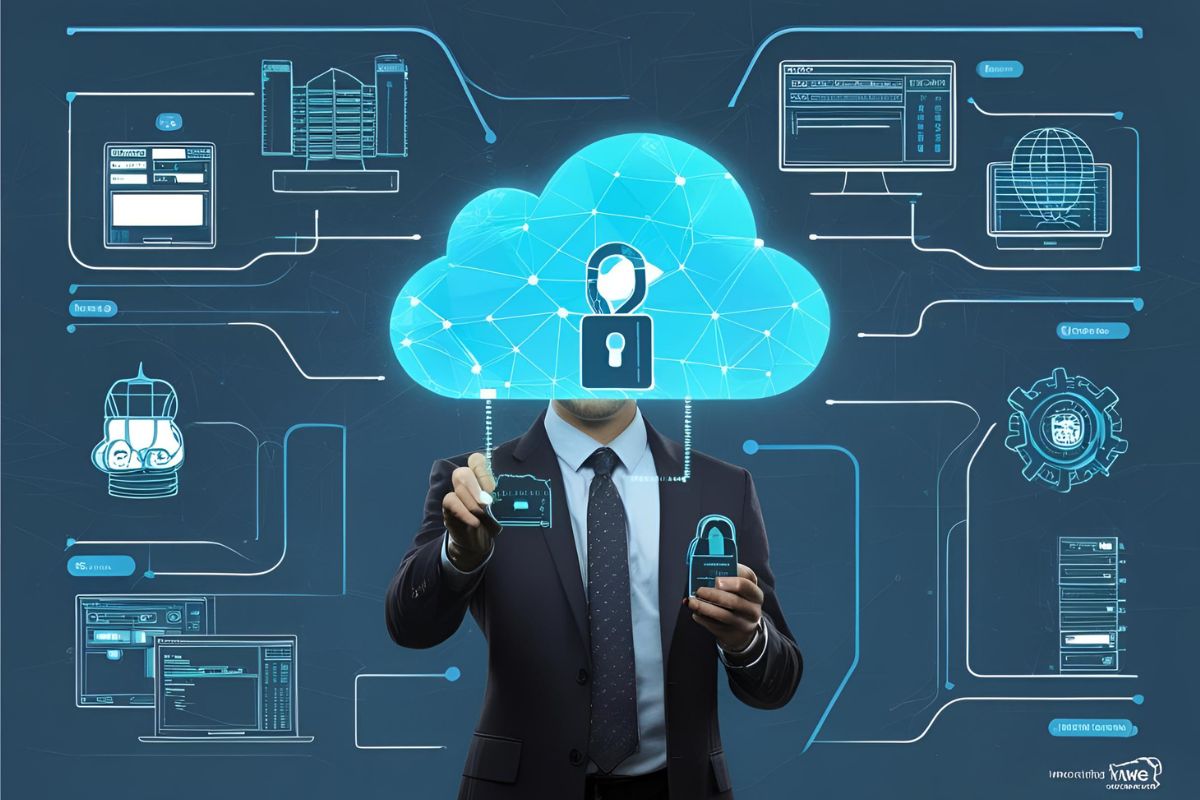
In the digital age, the migration to cloud infrastructure has transformed how we work, collaborate, and store data. But with this shift comes an evolving frontier in cybercrime—and the digital forensics field must keep pace. Gone are the days when investigators could simply seize a physical server or analyze a desktop hard drive. Today’s cybercrime increasingly unfolds across dynamic, distributed, and often ephemeral cloud environments.
This in-depth article explores how cloud computing reshapes cyber forensics, the challenges of evidence collection, and the innovative tools and legal considerations that define cyber investigations in the cloud era.
The Rise of Cloud-Based Crime
Cloud platforms such as AWS, Microsoft Azure, and Google Cloud Platform host everything from enterprise databases to virtual machines and collaboration tools. While they bring scalability and convenience, they also present a new attack surface—and a new domain for cybercriminals.
Common Cloud-Based Crimes:
- Account Takeovers (ATOs) via phishing or weak credentials
- Cloud Ransomware targeting cloud file storage (e.g., Google Drive, OneDrive)
- Crypto Mining via hijacked compute instances
- Data Exfiltration through misconfigured storage buckets
- Lateral Movement across hybrid cloud/on-prem infrastructures
In these environments, evidence is scattered across virtual resources, logs, containers, APIs, and identity access tools. Investigating such crimes requires new forensic strategies.
What Makes Cloud Forensics Different?
Unlike traditional forensics, cloud forensics doesn’t start with a physical device. Instead, investigators must collect volatile, remotely stored, and often time-sensitive data from third-party environments.
Key Differences Include:
- Distributed Nature: Data may reside across multiple geographic regions and jurisdictions.
- Limited Access: Clients often lack direct access to the underlying infrastructure.
- Short Data Retention: Cloud logs and snapshots may be overwritten or lost quickly.
- Shared Responsibility Model: Users and providers both hold responsibilities for security and compliance.
In short: forensic investigators must rely heavily on cloud-native tools, cooperation with service providers, and proactive logging strategies to even begin an investigation.
Stages of Cloud Forensic Investigation
1. Identification
The first step is determining whether a breach or malicious activity has occurred. In the cloud, this often involves:
- Anomalous IAM (Identity and Access Management) activity
- Suspicious API calls
- Unexpected billing spikes (e.g., crypto mining)
- Alerts from cloud-native security tools (like AWS GuardDuty or Azure Sentinel)
2. Preservation
Preserving evidence in the cloud is complicated due to:
- Ephemeral resources like containers and serverless functions
- Time-limited logs (e.g., CloudTrail, CloudWatch, Azure Logs)
Best practices include:
- Creating forensic snapshots of virtual machines and storage volumes
- Exporting access logs, security logs, and metadata
- Locking user accounts and freezing resources in their current state
Automated forensic playbooks help here—triggering snapshot creation, log exports, and alerts within seconds of detection.
3. Collection
Unlike physical drives, you can’t just “image” a cloud environment. Investigators must use:
- Cloud provider APIs (e.g., AWS CLI, Azure PowerShell)
- Log exports (CloudTrail, CloudWatch, Azure Activity Log, GCP Audit Logs)
- Network traffic logs (VPC flow logs, packet capture tools)
- Object versioning (e.g., S3 versioned files)
Legal constraints also shape how evidence can be collected, especially across international boundaries.
4. Examination and Analysis
Once the evidence is preserved, forensic analysts examine:
- Unauthorized access patterns (e.g., logins from foreign IPs)
- Privilege escalation via misconfigured roles
- Lateral movement across cloud assets
- File modification timestamps
- Exfiltration vectors (e.g., data downloaded to external storage)
Forensic timelines in the cloud can be reconstructed using log correlation, time-based analysis, and visual mapping tools like Kibana or ELK Stack.
5. Reporting and Legal Considerations
Documenting the findings is essential for legal, compliance, and incident response purposes. Reports must include:
- Chain of custody
- Timeline of events
- Systems affected
- Root cause analysis
- Mitigation actions taken
If prosecution is involved, adherence to e-discovery rules and data protection laws (like GDPR, HIPAA, or CCPA) is crucial.
Challenges in Cloud Forensics
Despite evolving tools, cloud forensics remains fraught with complications:
🔹 Data Sovereignty & Jurisdiction
Evidence may reside on servers in multiple countries, complicating legal access and chain of custody.
🔹 Provider Cooperation
Access to logs, metadata, or underlying infrastructure often requires cooperation with cloud service providers—who may have their own legal and privacy obligations.
🔹 Lack of Standardization
Unlike traditional computing, no universal frameworks or procedures govern cloud forensics. Each platform has unique logging formats, tools, and APIs.
🔹 Multitenancy
Cloud environments are shared. Investigators must isolate data related only to the victim without breaching the privacy of other tenants.
Tools of the Trade: Cloud Forensics Technologies
As demand grows, cybersecurity vendors and cloud providers are developing specialized forensic tools:
- AWS CloudTrail and Azure Activity Logs: Log every API call and user action
- FIR (Fast Incident Response): Open-source incident response tool
- Volatility & Rekall: Memory forensics tools adapted for cloud snapshots
- Kroll Artifact Parser and Extractor (KAPE): Speeds up analysis of log data
- Magnet AXIOM Cloud: Acquires and analyzes data from cloud services like Office 365 and Google Workspace
Managed Detection and Response (MDR) platforms are increasingly integrating cloud forensic capabilities.
Preparing for Cloud Incidents: Proactive Strategies
The best cloud forensic outcomes happen when organizations plan ahead. Key strategies include:
- 🔐 Enable and retain logs: Ensure logging is turned on and stored for extended periods.
- 🔐 Use centralized log management: Aggregate logs across accounts and services for easier correlation.
- 🔐 Implement strong IAM policies: Enforce least-privilege and MFA to limit attack surfaces.
- 🔐 Adopt security-by-design principles: Integrate security at every stage of cloud architecture and deployment.
- 🔐 Automate forensic playbooks: Use SOAR (Security Orchestration, Automation, and Response) tools to initiate evidence collection rapidly.
Conclusion: Evolving with the Cloud
As businesses embrace the cloud, so too must cybercriminals—and the professionals investigating them. The nature of evidence, the tactics used, and the speed at which crimes unfold are all changing. Cloud forensics requires adaptability, automation, and a deep understanding of cloud-native tools and environments.
Ultimately, cloud investigations are not just about chasing attackers across virtual space—they’re about rethinking the fundamentals of digital forensics in a world that’s constantly shifting. Those who stay agile, prepared, and informed will be best positioned to uncover the truth in a time when crime is no longer tied to a physical machine.